
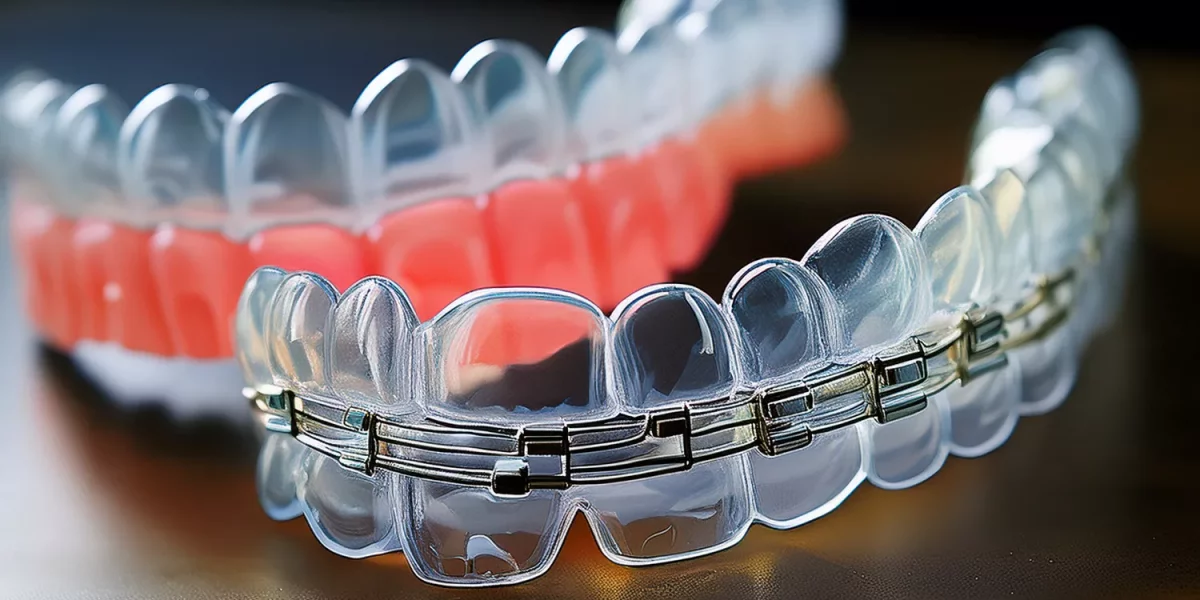
Before starting orthodontic treatment, almost everyone asks themselves these questions:
In fact, both braces and clear aligner treatment are highly effective methods for bringing teeth to a healthy and aesthetic position. However, the restrictions they impose on daily life are quite different.
In this article, we will compare the restrictions of braces treatment and clear aligner treatment across all dimensions, from eating to playing sports, speaking to professional life. This way, when making a decision, you can answer not just "which one is more aesthetic?" but also "which one is better suited to my lifestyle?"
When braces are applied, the most noticeable change, especially in the first few days, is in the eating routine.
Things to Avoid:
These can cause brackets to pop off, wires to bend, food to get stuck around the wires, and increase the risk of decay.
Things to Pay Attention To:
In Summary: With braces treatment, it is not possible to say, "I can eat anything"; there is a clear restriction, especially regarding hard and sticky foods.
The basic rule in clear aligner treatment is: Do not eat with the aligners in. The aligners must be removed when eating.
What does this mean?
But there are things to watch out for here, too:
Thus, the restriction in clear aligner treatment is related to:
With Braces Treatment:
With Clear Aligner Treatment:
Therefore:
People with an intense coffee-tea routine must strictly follow this "remove-drink-re-insert" cycle; otherwise, either the treatment will be delayed because they keep the aligners out, or the aligners will quickly stain, and the risk of decay will increase.
Braces are a factor that makes oral hygiene difficult:
The Restrictions Are:
Things are a bit different here:
However, a new rule comes into play: Your teeth must be as clean as possible before putting the aligners back in.
If:
You will trap food particles and sugar between the aligner and your tooth. This creates a suitable environment for decay and gum problems.
In short:
Metal Braces:
Ceramic (Clear) Braces:
Clear Aligners:
In Terms of Speech:
Especially:
Especially in:
Braces treatment requires extra caution. Against impacts:
Therefore:
Furthermore, for those who play wind instruments (clarinet, saxophone, trumpet, etc.):
Clear Aligners:
Especially in contact sports:
In those who play wind instruments:
From this perspective, clear aligner treatment involves fewer restrictions than braces treatment for athletes and musicians.
In braces treatment:
This creates planning difficulty for people who:
In an emergency (poking wire, broken bracket):
In clear aligner treatment:
Therefore:
The Restriction: You must be disciplined about not forgetting to take the aligners with you on long trips, and making sure to change them on time.
One of the most critical differences is this:
Braces are fixed.
This means that for someone who says, "I'm a bit disorganized, I forget things, I constantly put things off," braces treatment continues to work regardless of patient compliance.
Of course, if elastics or certain additional appliances have been given by the doctor, compliance with these is still very important. But at least there is no situation where you "forgot" to wear the braces.
With clear aligners:
The restriction actually arises here:
In conclusion:
It is important to consider your own character, daily lifestyle, and level of forgetfulness.
(If we evaluate from a general perspective:)
| Restriction Area | Braces Treatment | Clear Aligner Treatment |
| Food Restriction | High (hard, sticky, biting foods restricted) | Low (almost anything can be eaten by removing the aligner) |
| Drink & Staining Risk | Moderate (staining risk exists, but practical) | Requires High Discipline (only water with aligner in) |
| Hygiene Difficulty | High (difficult to clean) | Moderate (easy to clean but must brush after every meal) |
| Aesthetics & Visibility | Restrictive aesthetically (especially metal) | Almost invisible in daily life |
| Sports & Instrument | More restrictions, high need for a mouthguard | Generally more comfortable |
| Travel & Living Abroad | Requires frequent controls | More flexible with controlled planning |
| Discipline Requirement | Lower (fixed, cannot forget) | Very High (if you don't wear them, they don't work) |
There is no single answer to this question because "restriction" varies from person to person.
If you say:
"I'm very social, I'm constantly in front of people for my job, I want to minimize visibility, I want to be free when eating, and I can stick to the discipline,"
➜ Clear aligner treatment restricts your daily life less.
If you say:
"I don't trust myself much with discipline, I'll put off the remove-re-insert process, and appearance is not that important to me,"
➜ Braces (especially metal or ceramic brackets) might be a safer and more sustainable option for you.
The best approach is to analyze your expectations, lifestyle, and character well and share them openly with an orthodontic specialist.
Orthodontics is a process that affects not only your teeth but also your habits, daily schedule, and comfort zone. Therefore, the answer to the question "which one restricts less?" must be considered alongside the question "which one better suits your life?"
Elbette, sunduğunuz başlık için optimize edilmiş Türkçe ve İngilizce Meta Açıklamaları (Meta Description) hazırladım: 1. Meta Description (Türkçe) Diş çapraşıklığı için gerçekten tel tedavisi mi gerekiyor, yoksa Invisalign yeterli mi? Ortodontik sorunlarınızın ciddiyetine göre geleneksel diş telleri ve şeffaf plak tedavisinin (Invisalign) farklarını, avantajlarını ve hangi durumlarda tercih edilmesi gerektiğini öğrenin. 2. Meta Description (English) Do you really need traditional braces, or can Invisalign fix your dental crowding? Learn the key differences, pros, and cons of metal braces versus clear aligner therapy (Invisalign) and determine the best treatment for your specific orthodontic case.
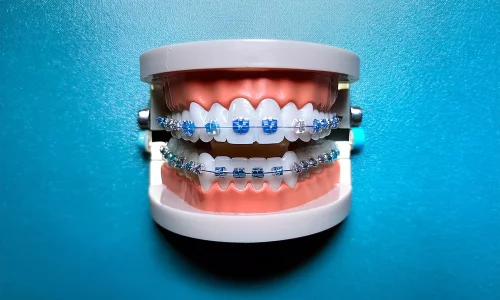
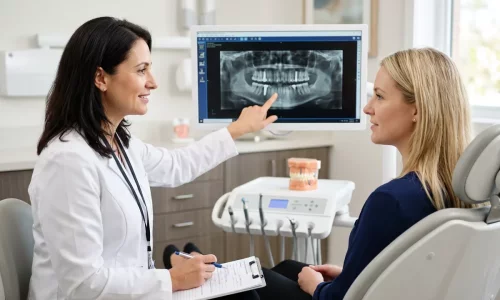
Explore the implant evaluation process. We review bone quality, gum health, and medical history to ensure your treatment success.
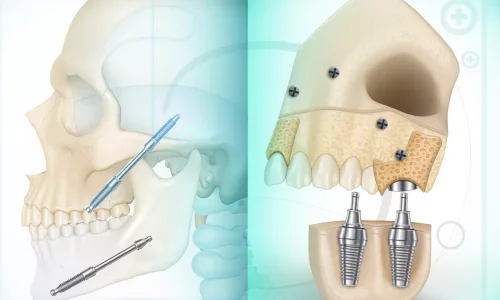
Discover the differences between zygomatic implants and bone grafting for reliable dental restoration.
Milim Dental Hospital isn't just a clinic—it's where confident smiles begin. With a team of world-class specialists, advanced technology, and a patient-first approach, we turn dental care into a premium experience.
We prioritize hygiene, comfort, and tailor-made treatments designed just for you. Don’t just take our word for it—explore real stories from real patients.
Your perfect smile starts here. Join the Milim experience.

Milim Dental Hospital provides comprehensive dental services in a spacious 1,000 m² facility, supported by a wide team of dental professionals including specialists in Oral and Maxillofacial Surgery, Prosthodontics, Orthodontics, Pediatric Dentistry, and Periodontology.