
Few dental sentences scare people as much as this one:
“You need a root canal.”
For many patients, “root canal” has become almost a synonym for pain. Maybe you’ve heard horror stories from friends, seen jokes online, or watched dramatic scenes in movies. It’s no surprise that one of the most Googled questions is:
“Does a root canal hurt?”
The honest answer is:
A modern root canal treatment should not be painful.
In fact, most people feel relief – because the procedure removes the source of the pain: an inflamed or infected nerve.
In this article, we’ll break down:
what a root canal actually is,
why teeth hurt so much before treatment,
what you can realistically expect to feel during and after,
and how you and your dentist can work together to keep you comfortable.
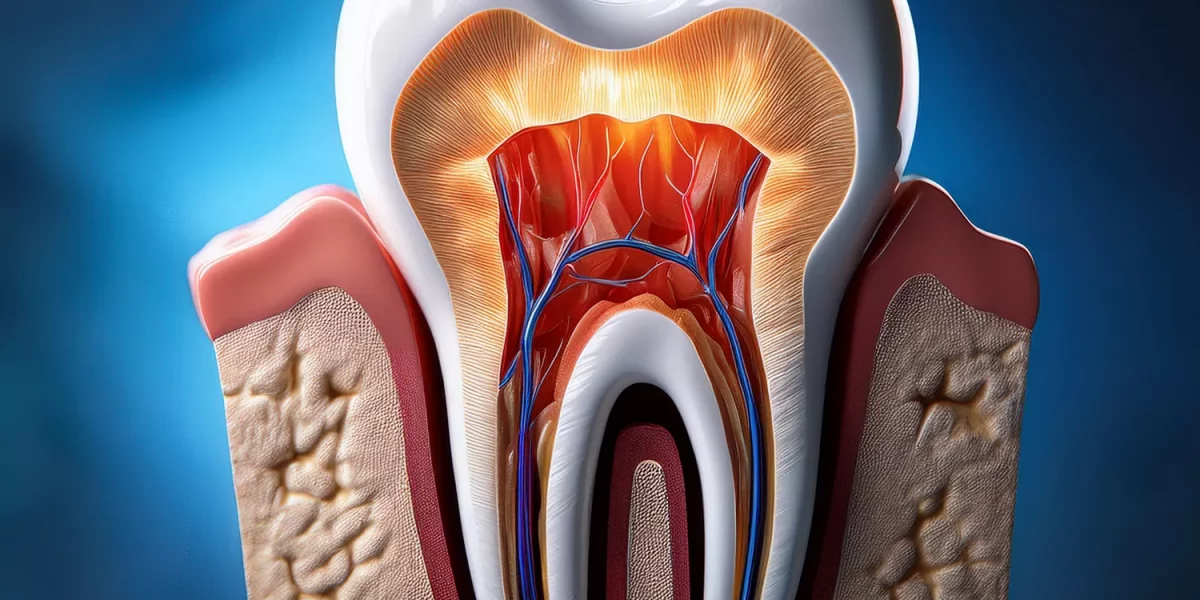
Inside every tooth, there is a space called the pulp chamber and thin channels called root canals. These contain:
nerves,
blood vessels, and
connective tissue.
When the pulp is healthy, you don’t even notice it. But if it becomes inflamed or infected – usually from deep decay, a crack, or trauma – the pain can be intense.
Typical signs you might need a root canal include:
spontaneous toothache (throbbing or sharp),
pain that wakes you up at night,
sensitivity to hot or cold that lingers,
pain when chewing or biting,
swelling or a “pimple” on the gum near the tooth.
A root canal treatment (endodontic therapy) removes this inflamed or infected pulp, disinfects the canal space, and seals it. The tooth is then usually restored with a filling and often a crown, so you can chew normally again.
So, the goal of a root canal is not to cause pain – it’s to remove the cause of your pain.
There are three main reasons for the root canal “nightmare” reputation:
Old stories
Many horror stories come from decades ago, when dental anesthetics and techniques were not as advanced. Today, local anesthesia is much more effective, and dentists are trained in pain control.
Confusing the pain before treatment with the procedure itself
Often, people are in severe pain before they arrive at the dentist. They remember that agony and connect it with the word “root canal”, even if the actual treatment relieved their symptoms.
Anxiety amplifies perception of pain
When we are scared, we tend to magnify every sensation. Even pressure or mild discomfort can feel much worse when you’re anxious. This is why good communication and a calm environment make such a big difference.
With proper local anesthesia, you should not feel sharp pain during a root canal. You might feel:
pressure,
vibration,
the dentist’s hands and instruments moving,
but not the intense pain you felt before.
Before starting, your dentist will:
apply numbing gel on the gum,
inject a local anesthetic near the tooth and sometimes near the nerve that supplies it,
test the tooth to make sure it is fully numb.
You may feel:
a small pinch or burning sensation when the anesthetic is injected,
a feeling of heaviness or swelling as it takes effect.
Once the numbness sets in, the nerve inside the tooth cannot transmit pain signals. That’s why patients often say:
“The injection was the worst part. After that, I just felt pressure.”
In some severely inflamed cases, it can be more challenging to get full numbness at the first appointment. In these situations, your dentist may:
use additional anesthetic techniques,
place soothing medication inside the tooth,
temporarily relieve pressure and then complete the root canal at a second visit once the inflammation has calmed.
But even in these difficult cases, the goal is always the same: keep you as comfortable as possible.
Everyone’s experience is slightly different, but here is what most patients describe:
You’ll feel the familiar feeling of a “fat lip” or heavy cheek. This can extend to:
your tongue,
part of your face,
the gums around the treated tooth.
This is normal and usually lasts a few hours.
During the procedure, the dentist:
opens a small access hole in the tooth,
uses delicate instruments to clean the inside of the canals,
rinses and disinfects the space,
fills the canals with a special sealing material.
You may feel:
gentle pressure,
vibrations from the handpiece,
the sensation of water or solution in your mouth (controlled by suction).
These are sensations, not pain. If anything feels uncomfortable, you can signal your dentist and they can pause, add more anesthetic, or adjust their technique.
Depending on:
the number of roots,
the complexity of the canals,
whether infection is present,
a root canal visit can last anywhere from 30–90 minutes or more. Long appointments can cause muscle fatigue (jaw tiredness), so breaks are helpful. Don’t hesitate to ask for a rest if you need it.
It is normal to have some discomfort after any dental procedure, especially one involving infected or inflamed tissues.
Common, normal symptoms include:
mild to moderate soreness when biting or chewing,
sensitivity when you touch the tooth with your tongue or fingers,
slight tenderness in the gum around the tooth,
a “bruised” feeling in the jaw.
This usually:
peaks in the first 24–48 hours,
gradually improves over several days,
is easily managed with over-the-counter pain medication recommended by your dentist.
Your dentist may advise:
ibuprofen or paracetamol (acetaminophen),
avoiding chewing on the treated side for a few days,
gentle brushing around the area.
You should contact your dentist or endodontist if you experience:
severe pain that does not improve with medication,
swelling of the face or persistent throbbing,
fever or feeling generally unwell,
pain that gets worse instead of better after a few days.
These are not typical and may indicate that additional treatment or adjustment is needed.
Many people think an extraction is “easier” than a root canal. In reality, when properly numbed:
root canal treatment and tooth extraction are both usually painless during the procedure,
post-operative discomfort depends more on the extent of infection and tissue trauma than the name of the procedure.
However, a root canal has one big advantage: it saves your natural tooth. After treatment and final restoration (usually with a crown), you can:
chew normally,
maintain your bite alignment,
avoid more complex treatments like bridges or implants.
Choosing a root canal when possible often means less long-term treatment and more comfort overall.
Modern dentistry has many tools and techniques to make root canal treatment much more tolerable than in the past.
These include:
Topical anesthetics before injections to reduce needle discomfort.
Advanced local anesthetics that act faster and last longer.
Rotary instruments and modern cleaning techniques that are more efficient and gentle.
Rubber dam isolation, which keeps the tooth dry and prevents liquids from going into your throat, making the procedure cleaner and more comfortable.
Magnification (loupes or microscopes) to see fine details, reducing treatment time and improving precision.
Soothing communication, noise-cancelling headphones, music or short breaks to reduce anxiety.
If you have had a bad experience in the past, tell your dentist. Many will be happy to adapt:
schedule more time,
break treatment into shorter appointments,
explain each step before it happens,
use additional anxiety-reducing strategies.
Fear of pain can make any procedure feel worse. Here are some ways you can help:
Communicate openly
Tell your dentist about your fears, previous experiences and specific worries. The more they know, the more they can tailor the appointment to you.
Agree on a “stop signal”
Before starting, agree on a hand signal to pause. Knowing you can stop at any time helps you feel in control.
Don’t be a hero
If you feel discomfort, say so. It’s much easier to add more anesthetic or adjust the procedure early than to push through pain.
Use breathing and relaxation
Slow, deep breathing and relaxing your shoulders and hands can lower overall anxiety and pain perception.
Consider sedation if appropriate
For very anxious patients, your dentist may discuss oral sedation, nitrous oxide (laughing gas) or other options, depending on what is available and safe for you.
Let’s summarise the honest, simple truth:
Before treatment, a tooth that needs a root canal often hurts a lot.
During a properly performed root canal with adequate anesthesia, you should feel no sharp pain – only pressure and movement.
After the procedure, it’s normal to feel some soreness or tenderness, but this is usually mild to moderate and improves within a few days with standard pain relief.
In other words:
A root canal is not the cause of your pain – it is the solution.
If you’ve been delaying treatment because you’re afraid of pain, remember that leaving an infected tooth untreated is usually far more painful (and risky) than having a root canal.
Dental anxiety is real, and you are not weak or silly for being afraid. But making decisions based on old myths or exaggerated stories can cost you:
your tooth,
your comfort,
and sometimes your broader health.
A calm conversation with your dentist or endodontist is the best first step. Ask:
how they manage pain,
what you can expect before, during and after,
what options you have if you’re very anxious.
With modern techniques, a caring dental team and good communication, a root canal can be a comfortable, predictable procedure – and the moment you finally get relief from the toothache that has been controlling your life.
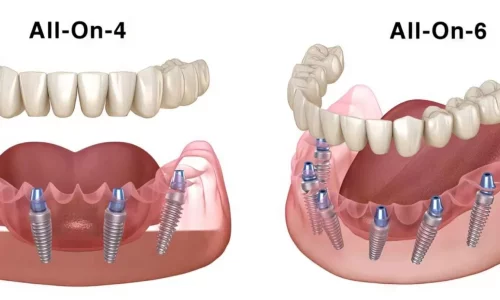
All-on-4 provides an efficient and cost-effective solution using four implants, while All-on-X offers a personalized approach with flexible implant numbers based on your jaw anatomy. Learn which method best suits your oral health, lifestyle, and long-term goals.
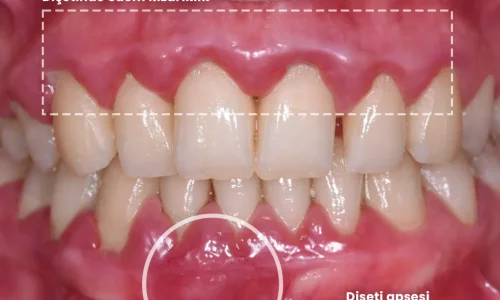
Gum disease, bleeding gums, and how to save your teeth. Learn the symptoms of gingivitis and advanced periodontitis, discover effective treatment methods, and understand the steps you must take to prevent tooth loss.
A guide explaining how attachments help aligners work effectively for complex tooth movements.

Milim Dental Hospital isn't just a clinic—it's where confident smiles begin. With a team of world-class specialists, advanced technology, and a patient-first approach, we turn dental care into a premium experience.
We prioritize hygiene, comfort, and tailor-made treatments designed just for you. Don’t just take our word for it—explore real stories from real patients.
Your perfect smile starts here. Join the Milim experience.


Milim Dental Hospital provides comprehensive dental services in a spacious 1,000 m² facility, supported by a wide team of dental professionals including specialists in Oral and Maxillofacial Surgery, Prosthodontics, Orthodontics, Pediatric Dentistry, and Periodontology.