

Teeth whitening vs veneers is one of the most common cosmetic dentistry comparisons because both treatments are associated with a brighter, more attractive smile. Patients often know they want their teeth to look better, but they are not sure whether simple whitening is enough or whether veneers are actually the more appropriate step. At first glance, both seem to improve appearance. In reality, they do very different things.
This is why the decision matters so much. Whitening changes color. Veneers can change color, shape, proportions, and certain visual imperfections all at once. A patient who only needs brightness may not need veneers at all. A patient who wants a more complete smile transformation may feel disappointed with whitening if the real issue is not color alone.
Many people hope there is one easy answer. But the right choice depends on what is bothering the patient most. Is the smile mainly too dark? Or do the teeth also feel uneven, worn, chipped, narrow, or mismatched? The more clearly that question is answered, the easier the decision becomes.
At Milim Dental, whitening and veneers are explained through the patient’s actual smile goals rather than through trend-driven language. That helps patients understand whether they need a lighter treatment or a more comprehensive aesthetic plan.
**What does whitening actually improve?**
Teeth whitening is mainly about shade. It is designed to make natural teeth look brighter and fresher by reducing discoloration and improving the overall color impression of the smile. For many patients, that alone can make a very meaningful difference.
Whitening is often a good option for patients whose teeth are generally well shaped but look dull, yellow, or tired. It may also be appealing to patients who want visible cosmetic improvement without moving into restorative treatment. In the right case, whitening can be a simple and satisfying first step.
However, whitening does not change the form of the teeth. It does not close gaps, correct worn edges, fix asymmetry, or improve old restorations that no longer match the smile. Patients who expect whitening to solve shape-related problems often end up confused about why the smile still does not feel “finished.”
At Milim Dental, whitening is described as a color treatment, not a total smile redesign. That distinction helps patients choose it for the right reason.
**What do veneers improve beyond whitening?**
Veneers do much more than change shade. They can also improve tooth shape, edge form, proportions, small spacing issues, asymmetry, and the overall design of the smile. This is why veneers are often part of a bigger aesthetic treatment plan rather than just a brightness upgrade.
Patients are usually drawn to veneers when they feel their smile needs refinement beyond color. For example, teeth may be straight enough but look worn, too small, uneven, or visually inconsistent. In those cases, whitening alone may brighten the smile but still leave the patient unsatisfied with the shape and harmony.
This is also why veneers are often discussed when the patient wants a more complete or more polished smile transformation. They are not simply “stronger whitening.” They are a different kind of treatment with a different purpose.
At Milim Dental, veneers are recommended when the smile needs design changes, not just shade changes.
**When is whitening enough?**
Whitening may be enough when the teeth already have pleasing proportions, healthy structure, and a smile pattern the patient already likes. If the main complaint is that the teeth look darker or less vibrant than they once did, whitening can often create a strong cosmetic improvement without requiring more involved treatment.
This is one reason why whitening is so popular. It can be a lower-commitment way to improve appearance and help the patient see how much difference color alone can make. In some cases, patients who thought they wanted veneers become much happier once they see the result of well-planned whitening.
But whitening is only enough when color is truly the main problem. If the patient is also bothered by tooth size, contour, chips, old mismatched restorations, or an overall lack of smile harmony, then whitening alone may not satisfy them.
At Milim Dental, whitening is suggested when it can genuinely answer the patient’s concern rather than simply offering the fastest cosmetic option.
**When do veneers make more sense?**
Veneers make more sense when the patient wants broader smile improvement and when the teeth need aesthetic refinement beyond brightness. This may include improving symmetry, reshaping worn or chipped edges, balancing proportions, and creating a more cohesive visible smile zone.
Patients often reach this point when they say things like “My teeth are not just dark — they look tired,” or “Even if they were whiter, I still wouldn’t love the shape.” That kind of comment usually signals that the issue is not color alone. It is smile design.
This does not mean veneers are always the next step after whitening. Some patients need no whitening at all before veneers. Others benefit from whitening first because it helps clarify what still bothers them once the natural teeth are brighter. The right sequence depends on the smile and the treatment goal.
At Milim Dental, veneers are chosen when the smile needs aesthetic redesign, not simply when the patient asks for a brighter result.
**Can whitening and veneers ever be part of the same plan?**
Yes, very often. This is one reason the comparison can be confusing. Whitening and veneers are not always competitors. Sometimes whitening is done first so the patient can brighten the untreated natural teeth, and veneers are then used selectively in the visible zone where shape and harmony need more improvement.
In other cases, whitening may help the patient realize that the smile already looks much better and that veneers are no longer necessary. Sometimes it works the other way around: the patient whitens first, then sees that brightness alone is not enough, and a more structured aesthetic plan becomes the logical next step.
This is why the decision should not always be framed as one or the other. The smarter question is sometimes which one should happen first and whether both are needed at all.
At Milim Dental, this sequencing is explained carefully because cosmetic dentistry often works best when treatment is layered thoughtfully rather than chosen impulsively.
**What should patients ask before choosing?**
Patients should ask what exactly is bothering them about the smile. Is it mainly shade? Or is it also shape, size, wear, or balance? This is often the most important question because it separates color treatment from design treatment.
They should also ask whether the existing restorations, tooth condition, and overall smile structure support whitening alone or whether a more comprehensive approach would make more sense. Patients often feel more confident once they know whether they are trying to brighten the smile or redesign it.
Another useful question is whether a conservative first step would be informative. In some cases, whitening helps reveal whether further treatment is truly necessary. In others, the need for veneers is already obvious because the issue is much broader than color.
At Milim Dental, these questions are part of the consultation process because the best cosmetic decisions come from understanding the real smile problem, not from guessing.
**Frequently Asked Questions**
**Is whitening better than veneers?**
Not automatically. Whitening is better when the main issue is color and the teeth already look good in shape and proportion. Veneers are better when the smile needs more complete aesthetic refinement beyond brightness. The right answer depends on whether the patient needs color improvement or smile redesign.
**Can whitening fix chipped or uneven teeth?**
No. Whitening changes shade, but it does not repair shape, chips, worn edges, or asymmetry. Patients who are mainly bothered by those issues usually need something more than just a color treatment. That is often where veneers or other aesthetic refinements become relevant.
**Should I try whitening before veneers?**
Sometimes yes, but not always. In some cases, whitening helps the patient understand whether color is the main concern. In other cases, veneers are already clearly more appropriate because the smile needs structural aesthetic improvement. The best sequence depends on the specific case.
**Do veneers always look more dramatic than whitening?**
They can create a broader transformation because they can change more than color, but they do not have to look exaggerated. Well-planned veneers can look very natural while still improving the overall smile significantly. The difference is that veneers are a design treatment, not just a shade treatment.
**What matters most before deciding?**
The most important thing is understanding whether the smile problem is mainly about color or about overall shape and harmony. Once that is clear, the decision between whitening and veneers becomes much easier and much more logical.
Orthodontic treatment, commonly known as braces treatment, is a specialized field within dentistry. Dentists who perform this treatment are called orthodontists. Orthodontics focuses on diagnosing and treating oral and facial irregularities caused by the teeth and surrounding tissues.
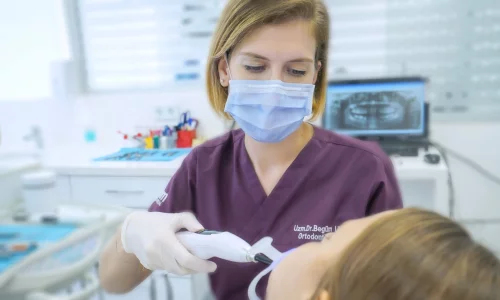
Planning dental implants in Turkey? Get a detailed timeline of your treatment, understand the healing process, the duration between stages, and learn exactly what happens regarding aftercare and follow-up once you fly back home.
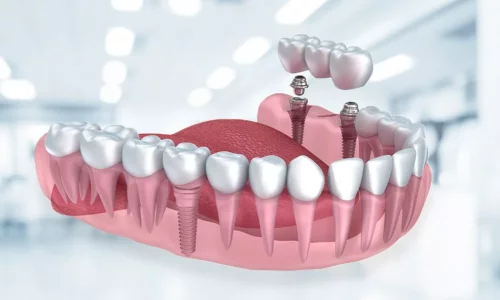
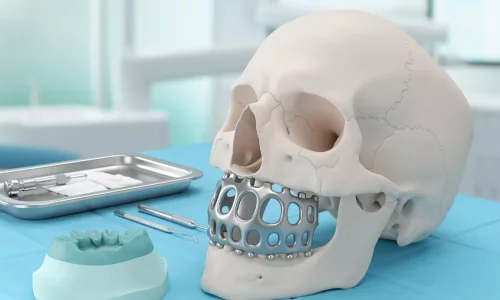
Discover how subperiosteal implants help patients when traditional implant treatments have failed.
Milim Dental Hospital isn't just a clinic—it's where confident smiles begin. With a team of world-class specialists, advanced technology, and a patient-first approach, we turn dental care into a premium experience.
We prioritize hygiene, comfort, and tailor-made treatments designed just for you. Don’t just take our word for it—explore real stories from real patients.
Your perfect smile starts here. Join the Milim experience.


Milim Dental Hospital provides comprehensive dental services in a spacious 1,000 m² facility, supported by a wide team of dental professionals including specialists in Oral and Maxillofacial Surgery, Prosthodontics, Orthodontics, Pediatric Dentistry, and Periodontology.