

Bad breath (halitosis) is a health problem that affects many aspects of social life. While it can have multiple causes, the most common reason is poor oral hygiene. If proper oral care is maintained yet the unpleasant odor persists, this may be a sign of an underlying medical condition.
Bad breath may result from insufficient oral care habits. If the odor continues despite proper hygiene, it may be related to various health issues.
Food debris left between the teeth leads to bacterial accumulation around the gums, causing an unpleasant smell in the breath.
Morning breath is considered physiologically normal. Food particles trapped between the teeth and on the tongue throughout the night cause this odor. Brushing the teeth usually eliminates it.
When proper oral hygiene is not maintained, dentures and orthodontic braces can also cause bad breath.
Persistent bad breath may indicate gum disease. Plaque buildup, toxins that irritate the gums, and inflammation are signs of periodontal disease. If bad breath is caused by gum problems, a dental examination is necessary. Untreated gum disease may lead to permanent damage to the teeth and jawbone.
Conditions that may cause halitosis include: excessive alcohol consumption, intestinal or stomach problems, smoking and tobacco use, diabetes, tooth decay, sinusitis, tonsillitis, nasal polyps, nasal disorders, prolonged fasting, pharyngitis, and acid reflux.
Bad breath must be diagnosed and treated by a specialist doctor. If it is caused by gum disease, the dentist treats the underlying problem, and the odor resolves permanently. Determining the root cause is critical because untreated bad breath may worsen over time and negatively affect social relationships.
If the cause is a pathological condition, it must be diagnosed by a medical professional.
Physiological odor from food and drinks is normal. However, chronic bad breath usually indicates a medical issue. Persistent halitosis may be linked to tooth decay, adenoid disorders, throat infections, reflux or gastritis, liver failure, or kidney failure.
Insufficient oral care allows bacteria to accumulate on the teeth and gums. As bacteria interact with food particles, they produce gases that cause bad odor. Orthodontic braces and dentures, when not properly cleaned, also contribute to bad breath. Bacterial accumulation can lead to oral infections and periodontal diseases. Regular treatment of gum diseases helps prevent halitosis.
Some foods naturally release strong odors during chewing and digestion. Onions, garlic, and spicy foods can produce unpleasant smells until they are eliminated from the body. Good oral hygiene and breath freshening habits can help minimize these effects.
Dry mouth may occur due to age, medications, dehydration, or reduced saliva flow. For example, people with diabetes may experience an acetone-like smell. Kidney disease may cause a strong ammonia-like odor. Reflux and gastritis can cause a sour taste and unpleasant smell in the mouth.
You can fill out the form to book an appointment with Milim Dental and get examined by a specialist to determine the cause of halitosis.
If halitosis is not caused by a medical condition, maintaining daily oral hygiene can help prevent it. Teeth should be brushed twice a day, toothbrushes should be replaced regularly, and dental floss should be used. Toothbrushes should be changed every six months. The tongue should be gently brushed to reduce odor. When brushing isn’t possible, mouthwash can help, and sugar-free mint gum may offer temporary relief.
Prioritizing oral health, visiting the dentist at least twice a year, and increasing water consumption are key to preventing bad breath. Proper oral care provides confidence, enhances social interactions, and contributes to a positive outlook on life.
Told you have severe bone loss and can't get conventional implants? Explore Zygomatic Implants and All-on-4 solutions in Turkey. Learn how these surgical techniques provide immediate, fixed teeth for patients with extreme upper jaw bone deficiency.

A guide explaining steps to confirm specialist orthodontic credentials and expertise.

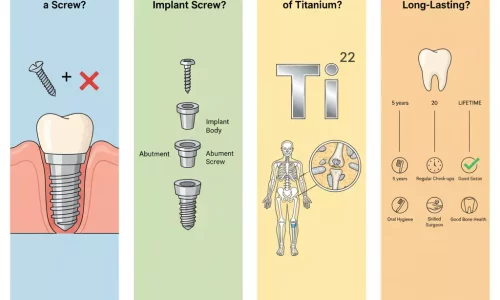
Is a dental implant a screw or is it made of titanium? What is an implant screw? How long do implants last? Learn about the biocompatibility and osseointegration process that ensures the long-term success of dental implants.
Milim Dental Hospital isn't just a clinic—it's where confident smiles begin. With a team of world-class specialists, advanced technology, and a patient-first approach, we turn dental care into a premium experience.
We prioritize hygiene, comfort, and tailor-made treatments designed just for you. Don’t just take our word for it—explore real stories from real patients.
Your perfect smile starts here. Join the Milim experience.


Milim Dental Hospital provides comprehensive dental services in a spacious 1,000 m² facility, supported by a wide team of dental professionals including specialists in Oral and Maxillofacial Surgery, Prosthodontics, Orthodontics, Pediatric Dentistry, and Periodontology.