

Tooth extraction is one of the most frequently asked topics in oral and dental health. It is considered a last resort in dentistry. Dentists always aim to preserve the natural tooth structure, and all possible treatments are applied before extraction is recommended. However, in certain situations, removing the tooth becomes necessary to protect surrounding teeth and oral structures.
During extraction, the neighboring teeth and jawbone are protected to prevent further damage. Tooth extraction is performed under local anesthesia.
Tooth extraction is performed when oral and dental health is at risk. Teeth that have been severely damaged due to decay or fractures may require extraction if root canal treatment or fillings cannot restore them.
Other situations that may require extraction include:
Pain is commonly experienced after extraction. Your dentist may prescribe painkillers, and these should be taken as directed. Anti-inflammatory or antibiotic medications must also be used as prescribed to prevent infections.
Common postoperative guidelines include:
Wisdom tooth extraction is recommended when these teeth pose a risk to oral or jaw health. A dental surgeon or dentist decides this based on examination and X-ray imaging.
Wisdom teeth are located at the back of the upper and lower jaws. They begin to erupt in one’s twenties, but not everyone develops them. Some people have all four wisdom teeth, while others may have only one or none at all.
Wisdom teeth may:
Impacted wisdom teeth can cause crowding, misalignment, pain, infections, and jaw problems. They can also trap food due to their location, resulting in rapid decay. Therefore, surgical removal is often recommended to prevent complications.
After extraction, missing teeth can be replaced with dental implants, porcelain bridges, or dentures, depending on the case. The dentist evaluates whether the jawbone and surrounding structures are suitable for implant placement.
Leaving the gap uncorrected may cause neighboring teeth to shift over time, resulting in bite problems or misalignment. Therefore, evaluating replacement options is important for long-term oral health.
A guide explaining what influences Invisalign pricing and why costs can vary between patients.

A guide explaining the limitations of Invisalign and which situations require alternative treatments.
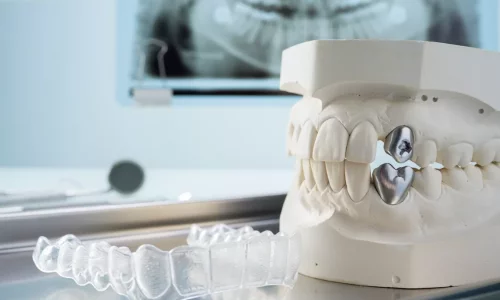
Choosing between Zirconium and Veneers? Learn which treatment suits your dental needs and aesthetic goals for a perfect result.
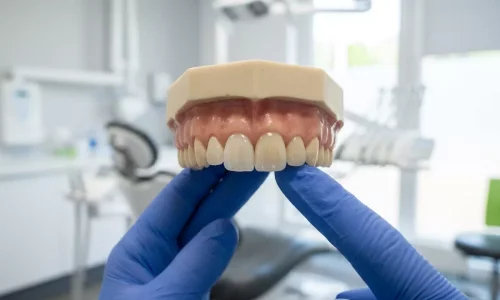
Milim Dental Hospital isn't just a clinic—it's where confident smiles begin. With a team of world-class specialists, advanced technology, and a patient-first approach, we turn dental care into a premium experience.
We prioritize hygiene, comfort, and tailor-made treatments designed just for you. Don’t just take our word for it—explore real stories from real patients.
Your perfect smile starts here. Join the Milim experience.
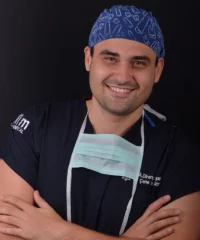

Milim Dental Hospital provides comprehensive dental services in a spacious 1,000 m² facility, supported by a wide team of dental professionals including specialists in Oral and Maxillofacial Surgery, Prosthodontics, Orthodontics, Pediatric Dentistry, and Periodontology.