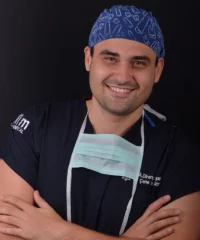

When tooth extraction comes up in Bursa, the most common questions tend to be the same: “Will it hurt a lot? How long does it take? Can dry socket occur? When can I return to work?” As an oral and maxillofacial surgeon, my purpose is to clarify that extraction is always considered the last option, but when necessary, we perform it in the safest and most comfortable way possible. This guide provides a clear roadmap for patients in and around Bursa who are considering tooth extraction—when it is needed, how the procedure works, how we control pain, how to speed up healing, and how to avoid common mistakes.
Our priority is always to preserve every tooth in function. However, in some cases, extraction becomes the most appropriate long-term option for oral health:
The decision is never made from a single symptom. Clinical examination + panoramic X-ray and, when needed, CBCT (3D imaging) guide the process. For lower wisdom teeth, CBCT greatly improves accuracy when assessing proximity to the mandibular canal (inferior alveolar nerve).
The advantage of oral and maxillofacial surgery is the ability to manage complex roots, angled positions, nerve-adjacent wisdom teeth, and sinus-close upper molars using predictable, tissue-friendly techniques.
Our clinical approach:
Extractions are performed under local anesthesia. You may feel pressure or vibration, but no pain during the procedure.
For patients with high anxiety, sedation is an option. Sedation does not shorten time, but it makes the entire experience significantly more comfortable.
Post-operative sensitivity in the first 24–72 hours is normal and well-controlled with anti-inflammatory medication, cold application, and elevated head position during sleep.
Simple extractions typically take 10–15 minutes; complex/impacted wisdom teeth may take longer.
Wisdom teeth are the most commonly extracted teeth.
Partially erupted wisdom teeth often cause food trapping, bacterial growth, and recurrent pericoronitis.
Completely impacted, symptom-free wisdom teeth may be monitored when appropriate.
If the tooth is close to the nerve, CBCT planning is essential.
In selected high-risk cases, coronectomy (removing only the crown, leaving the roots) may reduce nerve injury risk.
Atraumatic surgery and the use of piezosurgery can reduce swelling and improve healing.
Dry socket occurs when the blood clot dislodges, leaving bone exposed—causing severe pain between days 2–4.
Symptoms: pain radiating to ear/temple, foul taste/smell.
Risk factors:
Prevention: Follow the pıhtı-protecting rules and medication plan strictly.
If it occurs, home remedies rarely help—professional medicated dressings provide fast relief.
Can all extractions be done in one session?
Yes, depending on imaging and your general health—2–4 teeth may be removed in one visit.
Is bad breath normal after extraction?
Mild odor is common for a few days. Strong, worsening odor with pain may indicate dry socket.
When can I eat foods with seeds?
Usually after 1 week.
Our clinic offers easy access from Nilüfer, Osmangazi, Yıldırım and nearby districts, with fast appointments and close follow-up. At the first consultation, we evaluate whether extraction is truly necessary and discuss all alternatives and your personalized healing plan.
Tooth extraction does not have to be a painful or stressful procedure. With accurate diagnosis, CBCT-assisted planning, atraumatic surgical techniques, and a clear home-care protocol, the entire process becomes far safer and more comfortable than most patients expect.
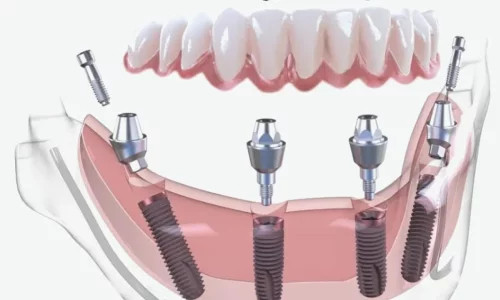
All-on-X is a customizable full-arch dental implant technique that uses more than four implants based on your individual jaw structure and needs. It offers greater stability and flexibility than All-on-4, making it ideal for complex cases with bone loss or bite challenges.
Regular dental check-ups are essential for maintaining healthy teeth and gums. Professional cleaning, examination, and X-rays are performed by your dentist to protect your oral health. That’s why scheduling your dental appointments and following up on them is crucial. Tracking the condition of your teeth and gums directly affects your quality of life. Early intervention is extremely important—because a tooth that could be saved with a simple filling may eventually require extraction if neglected.
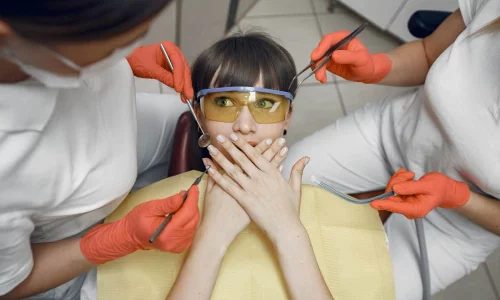
Invisalign or braces for adults in Bursa? Get a clear guide from Orthodontist Dr. Begum Ulasan comparing the aesthetic, comfort, and treatment time benefits of clear aligners (Invisalign) versus traditional braces for adult orthodontic needs.
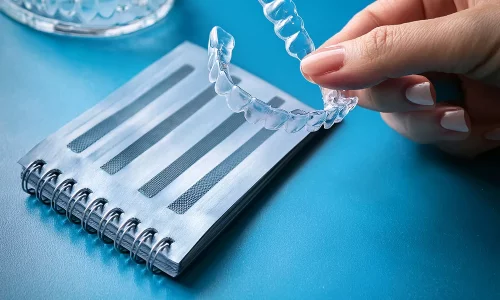
Milim Dental Hospital isn't just a clinic—it's where confident smiles begin. With a team of world-class specialists, advanced technology, and a patient-first approach, we turn dental care into a premium experience.
We prioritize hygiene, comfort, and tailor-made treatments designed just for you. Don’t just take our word for it—explore real stories from real patients.
Your perfect smile starts here. Join the Milim experience.

Milim Dental Hospital provides comprehensive dental services in a spacious 1,000 m² facility, supported by a wide team of dental professionals including specialists in Oral and Maxillofacial Surgery, Prosthodontics, Orthodontics, Pediatric Dentistry, and Periodontology.