
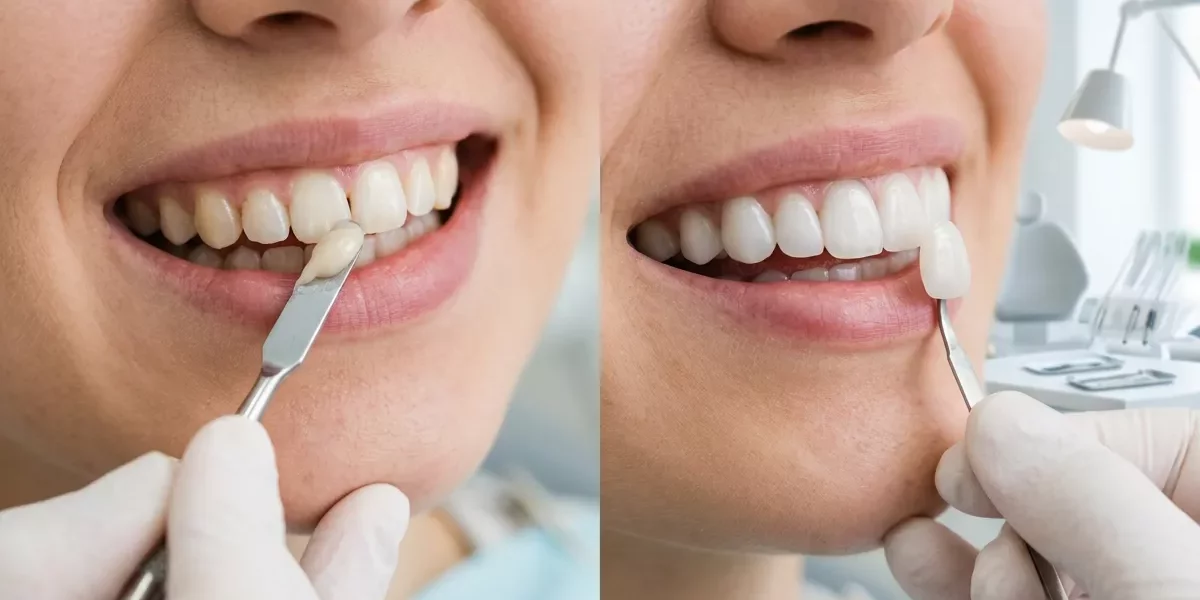
Composite bonding vs veneers is one of the most common comparisons in cosmetic dentistry because both treatments can improve the look of front teeth, and both are often used for smile enhancement. From the patient’s perspective, they may seem like two versions of the same idea: fixing shape, color, small gaps, and aesthetic flaws. But the reality is more nuanced.
These treatments may sometimes address similar concerns, but they do not do so in the same way. Composite bonding is often used for smaller, more selective improvements and may be chosen when a conservative and flexible approach is desired. Veneers are usually planned when the aesthetic goal is more comprehensive or when a more structured long-term cosmetic result is being designed.
This is why the correct question is not simply “Which one is better?” The better question is “Which one fits my teeth, my goals, and my expectations better?” The answer depends on the condition of the teeth, the level of change being planned, the bite, and how refined or durable the patient wants the result to feel.
At Milim Dental, bonding and veneers are compared based on the actual smile plan rather than on trend language. That helps patients feel more informed and less overwhelmed by cosmetic terminology.
**What is composite bonding usually used for?**
Composite bonding is often used for smaller or more selective aesthetic corrections. It may be chosen to improve small chips, minor gaps, edge irregularities, subtle asymmetry, or limited shape concerns in the front teeth. Patients are often drawn to bonding because it can be a conservative and flexible way to improve the smile.
One of the main attractions of bonding is that it often feels less intimidating than more structured restorative options. Patients may see it as a lighter cosmetic step, especially when they do not want a full smile makeover or when they are mainly bothered by a few visible details.
However, bonding is not just a “simple fix” in the best sense. Good bonding still requires aesthetic judgment, smile balance, and a proper understanding of what the material can realistically do. A conservative treatment should still be carefully designed.
At Milim Dental, composite bonding is recommended when selective aesthetic improvement makes sense and when the smile can benefit from a lighter approach.
**What are veneers usually chosen for?**
Veneers are usually chosen when the smile needs a more complete or more structured aesthetic transformation. Patients may need improvement in color, shape, edge form, and smile harmony across multiple teeth, rather than correction of one or two small details. In the right case, veneers can create a more unified and polished overall result.
Patients often prefer veneers when they want a higher level of smile design and a more refined finish. They may also be appropriate when the goal is to create more consistent aesthetics across the visible smile zone. Veneers are often seen as a stronger option for more advanced cosmetic planning.
This does not mean veneers are automatically “better” than bonding. It means they serve a different role. Where bonding may refine smaller concerns, veneers may create a broader and more cohesive aesthetic shift when the case calls for it.
At Milim Dental, veneers are chosen when the teeth and treatment goals support a more comprehensive smile design strategy.
**Which one is more conservative?**
In many cases, composite bonding is considered the more conservative option because it may involve less intervention and can often be used more selectively. That is one reason patients are attracted to it, especially if they want to improve their smile without feeling that they are committing to a more extensive treatment.
However, conservative does not automatically mean better in every case. A treatment is only truly conservative if it also makes sense for the long term. If the patient wants a very specific level of transformation or if the smile needs more complete structural and aesthetic consistency, bonding may not always provide the most satisfying answer.
Veneers may still be the more appropriate choice when the smile needs a more comprehensive and stable visual redesign. In that situation, choosing bonding only because it sounds smaller may lead to a less ideal result.
At Milim Dental, the word conservative is used carefully. The right treatment is the one that preserves what should be preserved while still achieving the intended result well.
**Can bonding look as good as veneers?**
In the right case, yes. Composite bonding can look very beautiful when the treatment goals are appropriate and the design is done well. Patients are sometimes surprised by how much a small amount of well-planned bonding can improve the look of a smile.
But the key phrase is “in the right case.” Bonding may be excellent for selective refinement, but if the patient is looking for a more complete change in color, shape, and overall smile uniformity, veneers may offer a more suitable aesthetic path. The desired level of transformation matters a lot in this decision.
This is why the comparison should not be about which material wins aesthetically in theory. It should be about what kind of beauty the case requires. A patient seeking subtle improvement may be delighted with bonding. A patient seeking a more fully redesigned smile may feel more satisfied with veneers.
At Milim Dental, aesthetic success is always connected to treatment indication. The right beauty comes from the right plan.
**Why do patients get confused between them?**
Patients usually get confused because both treatments are described with similar words: smile enhancement, gap closure, shape correction, natural-looking improvement. That makes them sound very close to one another, especially in short online explanations. Without context, it is easy to think that bonding and veneers are just two versions of cosmetic dentistry with different names.
Another source of confusion is that patients often compare them only by price or popularity. Those factors matter, but they do not answer the clinical question. A lower-cost treatment may not give the level of refinement the patient wants. A more advanced treatment may not be necessary for a smaller concern. Without understanding the smile goal, the comparison stays superficial.
This is why proper consultation matters. Once the patient understands what the smile actually needs, the choice between bonding and veneers becomes much more logical. The treatments stop feeling like competitors and start feeling like tools for different levels of aesthetic change.
At Milim Dental, this explanation is central to treatment planning because confident decisions come from clarity, not from cosmetic buzzwords.
**How should patients choose between bonding and veneers?**
Patients should begin by asking what level of change they truly want. Are they trying to fix one or two visible details, or are they hoping for a broader smile transformation? That question alone often points the conversation in the right direction. Small refinements and full smile redesigns do not usually require the same treatment path.
They should also ask whether the proposed treatment is appropriate for the condition of their teeth, their bite, and the long-term look they are hoping for. A patient who wants a highly refined, uniform smile may not be satisfied with a lighter treatment that only partially changes the overall appearance. A patient with minor cosmetic concerns may not need a more structured approach.
Patients usually feel more comfortable once they stop asking “Which one is better?” and start asking “Which one matches my smile goals better?” That shift leads to much better choices.
At Milim Dental, the decision between bonding and veneers is always framed around the smile design itself, because the best treatment is the one that fits the patient’s real objective.
**Frequently Asked Questions**
**Is composite bonding better than veneers?**
Not automatically. Composite bonding can be an excellent option for smaller, more selective aesthetic improvements, while veneers may be more suitable for a broader or more refined smile transformation. The better treatment depends on the condition of the teeth and the type of result the patient wants.
**Is bonding more conservative than veneers?**
Often, yes. Bonding is commonly seen as a more conservative option because it may involve less intervention and can often be used very selectively. However, a more conservative option is only better if it still matches the patient’s long-term aesthetic and functional needs.
**Can bonding look as natural as veneers?**
Yes, in the right case it can look very natural and attractive. The key is proper case selection and thoughtful smile design. Bonding may be ideal for subtle refinements, while veneers may provide a more complete or more structured aesthetic result when the case calls for it.
**Why do some patients choose veneers instead of bonding?**
Patients may choose veneers when they want a more comprehensive aesthetic change in color, shape, and overall smile harmony. Veneers are often part of a more structured smile design plan, especially when multiple teeth are being treated for a more unified final result.
**What is the most important thing before choosing?**
The most important thing is understanding what kind of smile change you actually want and whether the treatment matches that goal appropriately. Patients should know whether they need selective correction or a broader redesign, and whether bonding or veneers makes more sense for the condition of their teeth.
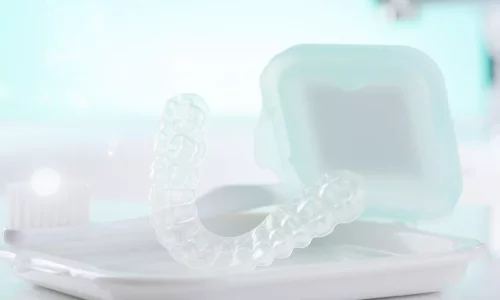
A guide explaining the retainers used after braces or aligners and their role in preserving your smile.
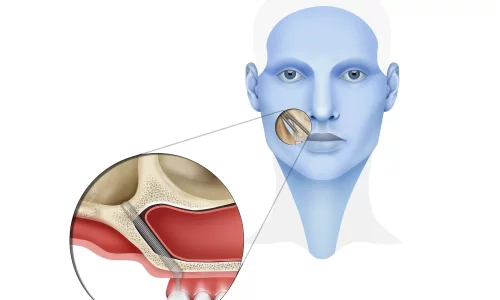
Bone loss in the upper jaw is a common challenge for many people who have been missing teeth for years. It can result from tooth loss, gum disease, infection, or natural aging. Unfortunately, this makes traditional dental implants difficult or even impossible without undergoing additional procedures such as bone grafting or sinus lifts.
Discover how Digital Smile Design helps USA patients achieve a perfect, customized Hollywood Smile.
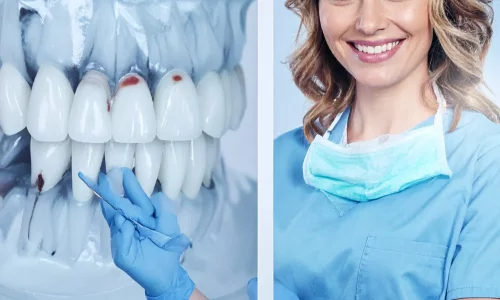
Milim Dental Hospital isn't just a clinic—it's where confident smiles begin. With a team of world-class specialists, advanced technology, and a patient-first approach, we turn dental care into a premium experience.
We prioritize hygiene, comfort, and tailor-made treatments designed just for you. Don’t just take our word for it—explore real stories from real patients.
Your perfect smile starts here. Join the Milim experience.


Milim Dental Hospital provides comprehensive dental services in a spacious 1,000 m² facility, supported by a wide team of dental professionals including specialists in Oral and Maxillofacial Surgery, Prosthodontics, Orthodontics, Pediatric Dentistry, and Periodontology.